Characters
Dramatic roles, motivations, conflicts, and historical handling for Josephus, Romans, rebels, civilians, priests, and early Christian references.
Character architecture
Josephus
Motivation: preserve life, status, people, and meaning. Conflict: every act of survival looks like betrayal. Dramatic purpose: a protagonist the audience must judge and understand at the same time.
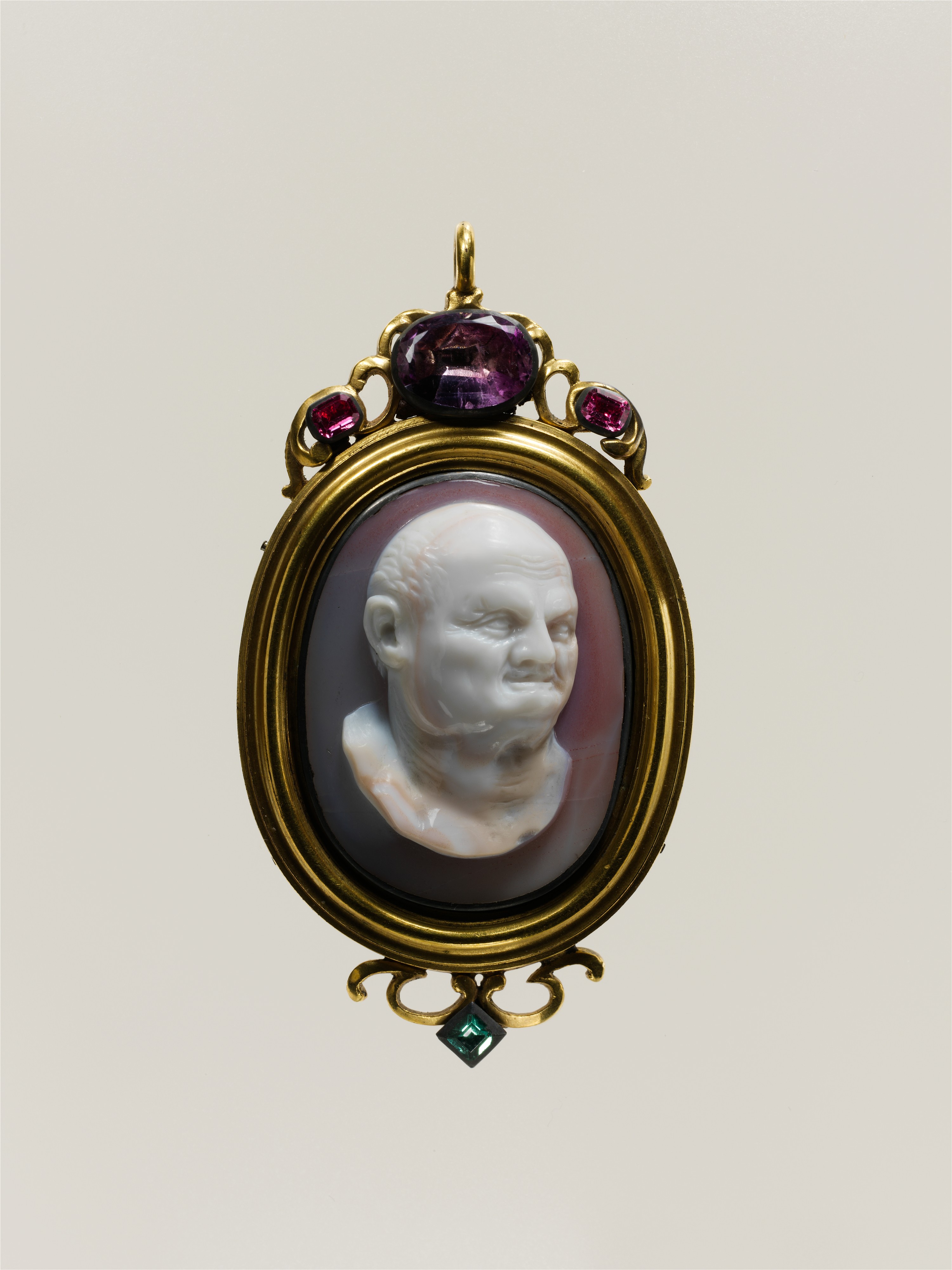
Vespasian
Motivation: restore order, win the war, survive Roman politics. Conflict: he needs legitimacy and omens as much as legions. Dramatic purpose: Roman realism and imperial destiny.
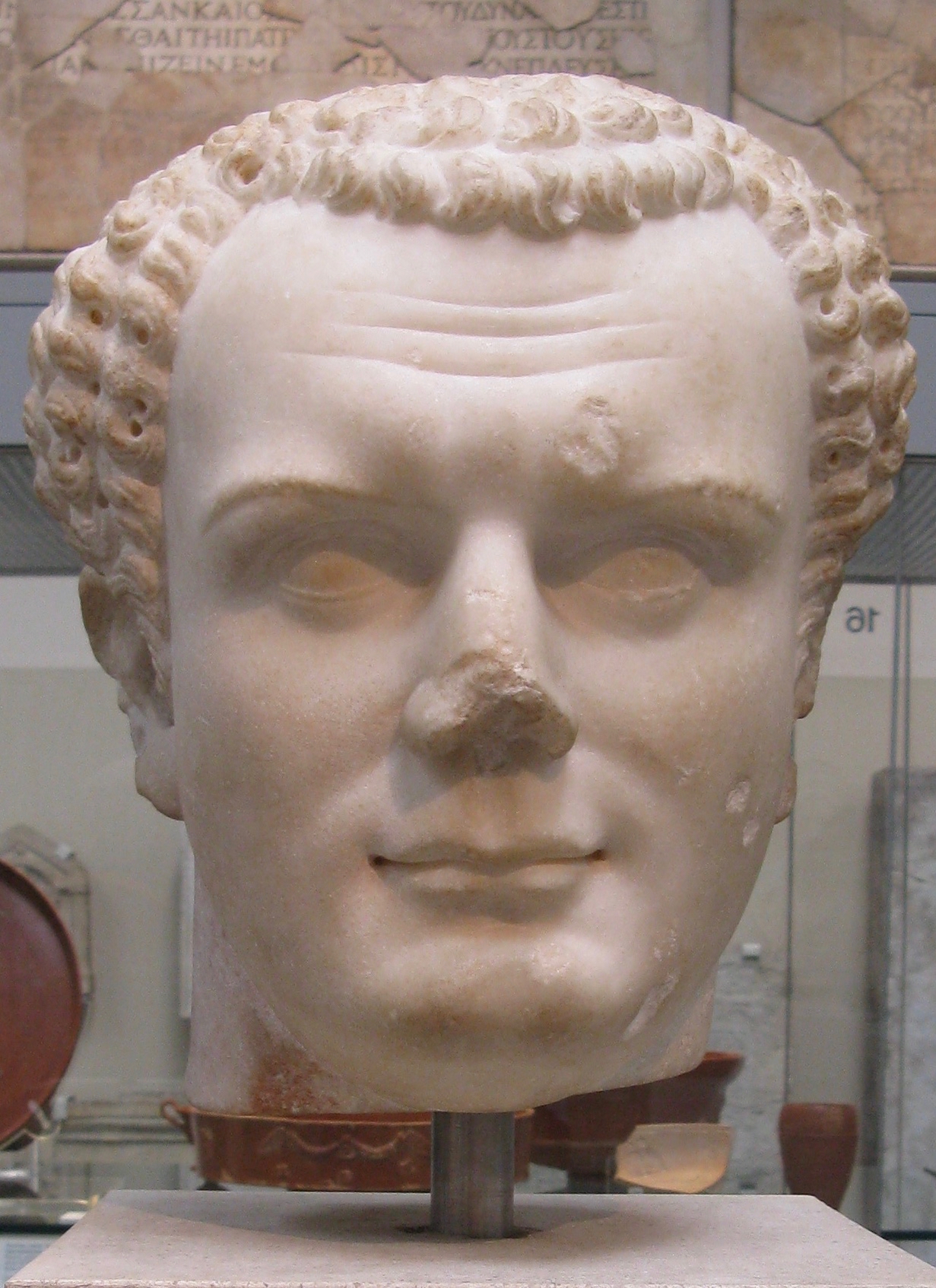
Titus
Motivation: glory, command, filial duty. Conflict: clemency versus annihilation. Dramatic purpose: emotional face of conquest.
Jewish rebels
Not one bloc. Some are principled patriots; some apocalyptic militants; some local power brokers. Dramatic purpose: force Josephus to confront competing definitions of faithfulness.
Priests and civilians
Motivation: keep worship, family, and city alive. Dramatic purpose: make the destruction human, not abstract.
Early Christian figures
Used sparingly and responsibly. James, John the Baptist, and Jesus appear primarily through Josephus' texts, reports, or later memory, not as sensational cameos.