Script Overview
An original three-act treatment designed for emotional force, historical intelligence, and cinematic scale.
Original script treatment
The screenplay follows Josephus as a man trying to preserve his people, then his life, then the memory of a destroyed world. It avoids simple hero/villain categories: Josephus is charismatic, brilliant, frightened, compromised, and indispensable.
Act I — Jerusalem chooses fire
Young Josephus is introduced as priestly, educated, and politically alert. Rome is distant but omnipresent. A mission to Rome reveals imperial scale. Back in Judea, revolt ignites. Josephus accepts command in Galilee, believing he can impose order on chaos.
Act II — The cave of survivors
Galilee fractures. Josephus fortifies towns and battles rival Jewish leaders as much as Rome. Vespasian's machine arrives. Jotapata becomes a hell of stones, engines, hunger, and night raids. In a cave, Josephus survives a suicide pact and surrenders, prophesying Vespasian's imperial future.
Act III — Witness in the conqueror's shadow
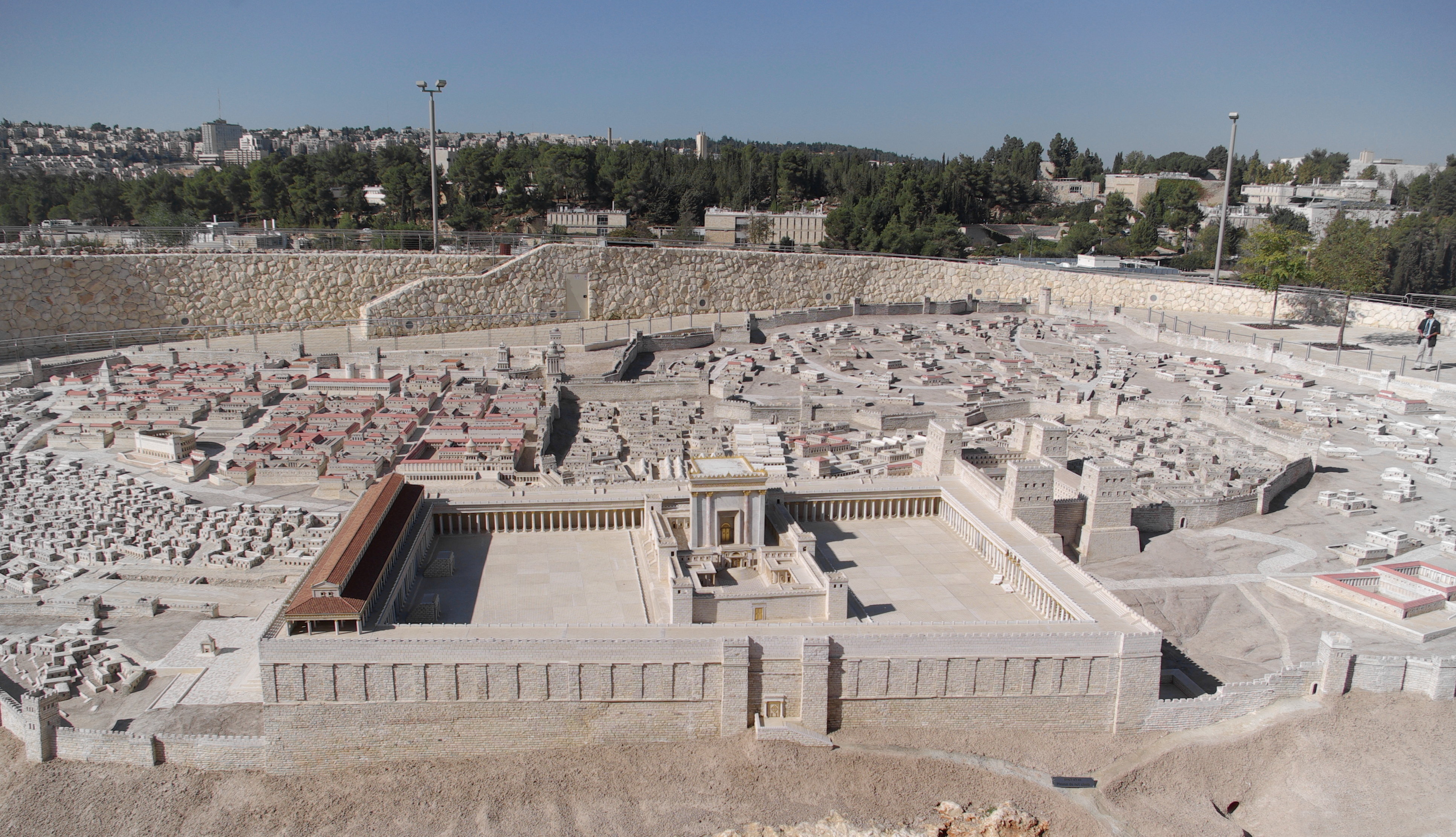
Josephus, now protected and despised, travels with Titus to Jerusalem. He pleads, translates, watches, and fails. The Temple burns. Years later in Rome, he writes under Flavian patronage, struggling to turn trauma and accusation into history.
Main characters and arcs
Josephus: from confident aristocrat to compromised witness. Vespasian: practical commander whose patience hides imperial ambition. Titus: younger, charismatic, torn between clemency and conquest. Jerusalem civilians: the moral center; they keep the film from becoming only a leaders' story.
Jesus and early Christianity: handled as historically adjacent presence: references, rumors, contested memory, and the afterlife of first-century Judea rather than a fabricated direct relationship.