The World of Josephus
First-century Judea under Rome: sacred city, imperial pressure, religious factions, rebellion, siege warfare, and the road to catastrophe.
Judea before the fire
First-century Judea was not a quiet province. Roman taxation, client kings, priestly elites, popular prophets, banditry, apocalyptic hope, and factional politics created a landscape where faith and power were inseparable.
Josephus' world included Pharisees, Sadducees, Essenes, revolutionary currents later associated with the Zealots, aristocratic priests, rural peasants, Roman governors, Herodian dynasts, and imperial armies. The film can make this world feel inhabited rather than summarized: marketplaces, ritual purity pools, temple courts, military roads, hill fortresses, coastal ports, and desert refuges.
Rome
Not merely villains: Rome is law, spectacle, engineering, cruelty, ambition, bureaucracy, and a worldview that cannot comprehend defeat by a small sacred nation.
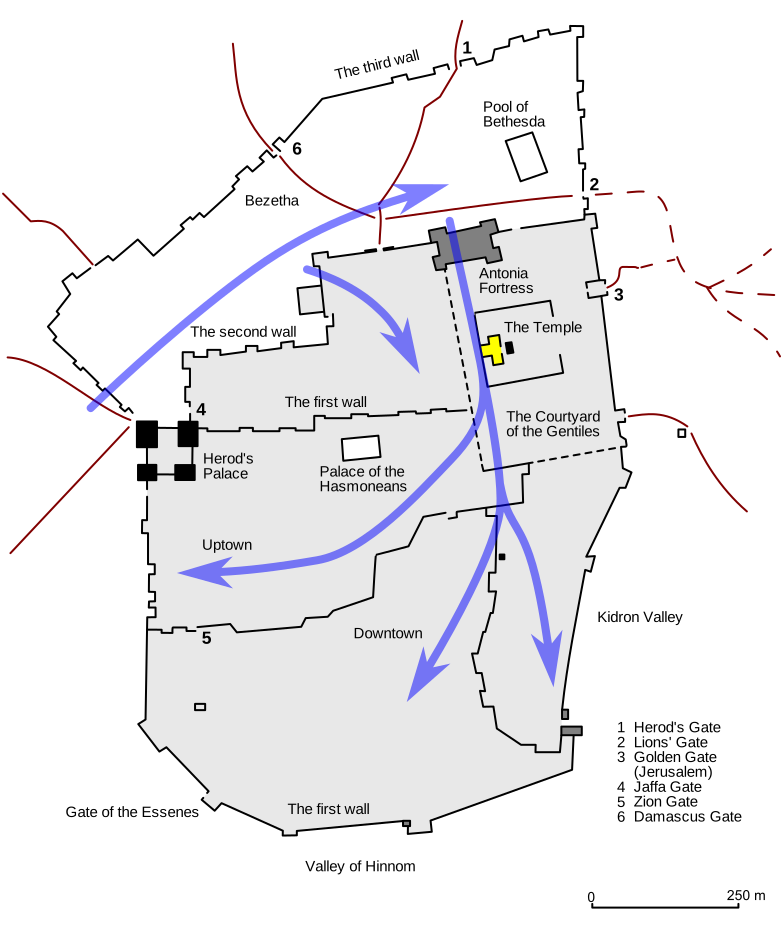
Jerusalem
The spiritual heart and political pressure cooker. Temple ritual, elite negotiation, popular fury, and prophetic expectation converge in one city.
Galilee
The frontier theater where Josephus' reputation is forged and destroyed: fortifications, rebel councils, Roman reconnaissance, and local rivalries.
The road to rebellion
The Jewish-Roman War was not inevitable in a simple sense, but Josephus depicts a society collapsing under misrule, ideological radicalization, class resentment, and retaliatory violence. The film should not flatten Jewish society into one faction. Its drama comes from multiplicity: patriots, priests, moderates, revolutionaries, civilians, opportunists, and terrified families all trying to define faithfulness under empire.