Josephus: Witness to Empire
A cinematic investment dossier for a major historical feature film about Flavius Josephus: priest, commander, captive, prophet of empire, and controversial witness to the world of Jesus.
A priest. A rebel commander. A Roman captive. A historian whose pages still frame the world of Jesus.
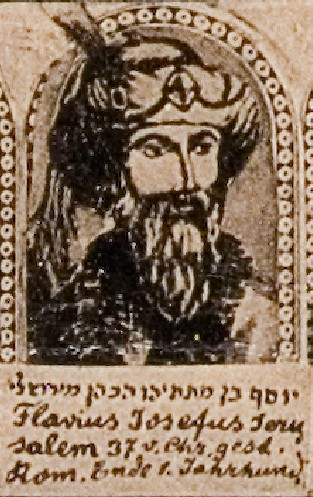
Flavius Josephus lived at the fracture line between Judea and Rome. Born into Jerusalem's priestly aristocracy, he became a military commander in Galilee, survived the siege of Jotapata, predicted Vespasian's rise, witnessed the destruction of Jerusalem and the Second Temple, and wrote the histories that remain among our most important sources for the age of Jesus and early Christianity.
This project positions Josephus not as a footnote, but as the conflicted center of an epic film: a man accused of betrayal, preserved by empire, haunted by catastrophe, and driven to turn survival into testimony.
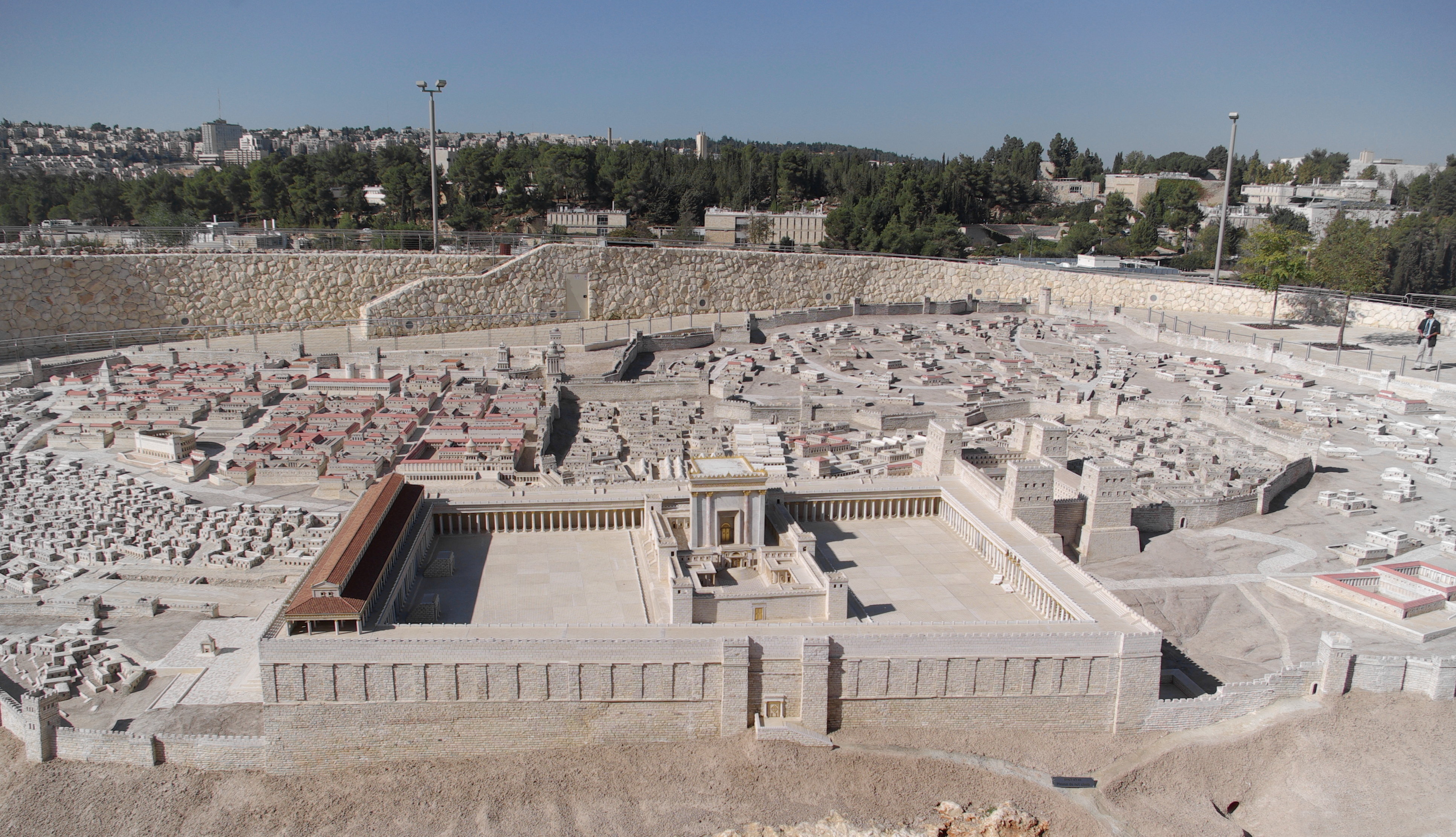
Jerusalem burns
Josephus saw the Roman campaign culminate in the destruction of the city and the Second Temple, the trauma around which his later history revolves.
A survivor's archive
The Jewish War, Antiquities, Against Apion, and Life shaped Jewish, Christian, and classical memory.
Investor reach
The story speaks to faith audiences, history viewers, prestige-drama fans, educators, and international markets hungry for ancient-world spectacle.
Not another sword-and-sandal picture: a psychological war epic about memory, conscience, and the price of being spared.
The visual ambition draws from large-scale world-building associated with Avatar: immersive environments, invented production design language, and the feeling of entering another civilization. Its emotional gravity draws from the market lesson of The Passion of the Christ: ancient history and sacred subject matter can create intense audience commitment when handled with seriousness and conviction.
The film concept does not claim Josephus met Jesus. It dramatizes Josephus as a witness to the world in which Jesus' movement emerged, using established references to Jesus, James, and John the Baptist with careful attention to scholarly debate.